Skip to content
Rope access refresher
TRS Safety training are an approved provider for the new MATS / EUSR Rooftop Worker – Safety and Access and the Initial and Basic climbing courses?
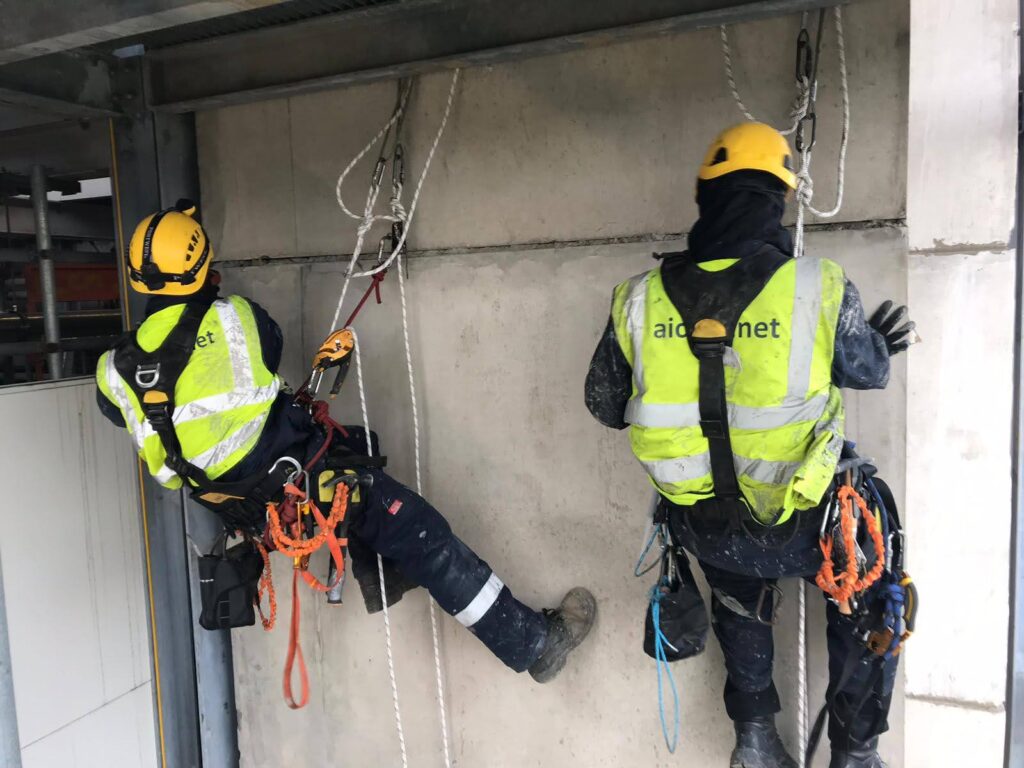
Rope Access Refresher Course Safety Fundamentals
Recertification & Skills Update Training
Our Rope Access Refresher Course is designed for certified rope access technicians returning to rope work after a period of inactivity or approaching certification expiry. This Rope Access Refresher Course provides essential recertification training, revisiting core safety principles and updating skills to current industry standards before resuming work at height on telecom towers, industrial structures, or construction sites.
Course Overview:
Before returning to professional rope access work, technicians must demonstrate continued competency in safety systems, equipment operation, and emergency procedures. This refresher course provides hands-on practice, updated safety protocols, and formal reassessment to maintain industry certification and workplace safety standards.
Who Needs Rope Access Refresher Training?
✓ Certified rope access technicians whose certification is expiring or has lapsed
✓ Workers returning to rope access after extended time away from height work
✓ Technicians required to update skills to meet new industry standards
✓ Telecom tower climbers renewing IRATA, SPRAT, or equivalent certifications
✓ Contractors needing current certification for MBNL, Arqiva, or operator site access
✓ Workers returning to rope access after extended time away from height work
✓ Technicians required to update skills to meet new industry standards
✓ Telecom tower climbers renewing IRATA, SPRAT, or equivalent certifications
✓ Contractors needing current certification for MBNL, Arqiva, or operator site access
Core Safety Principles Refresher:
Comprehensive Equipment Inspection Procedures
Before any rope access work, technicians must conduct thorough pre-use inspections:
- Harness Inspection: Check stitching, webbing, buckles, and attachment points for wear, cuts, UV damage, or deformation
- Rope Inspection: Examine entire rope length for sheath damage, core exposure, glazing, contamination, or soft spots
- Descenders & Ascenders: Verify moving parts function smoothly, check for cracks, wear patterns, and proper operation
- Connectors & Karabiners: Inspect gates, locking mechanisms, and load-bearing surfaces for damage or corrosion
- Manufacturer Expiry Dates: Confirm all equipment is within service life and retirement criteria
- Documentation: Review equipment logbooks and inspection records
- Quarantine Procedures: Immediately remove damaged or expired equipment from service
Anchor System Setup & Redundancy Principles
Safe rope access requires robust, redundant anchor systems:
- Minimum Two Anchor Points: Primary and backup anchors for every rope access setup (never rely on single anchors)
- Independent Anchor Systems: Ensure primary and backup anchors are structurally separate
- Load Distribution: Properly distribute forces across multiple anchor points
- Anchor Strength Assessment: Verify anchor capacity exceeds anticipated loads (minimum 15kN per person)
- Anchor Types: Review structural anchors, beam clamps, slings, and temporary anchor devices
- Edge Protection: Install padding to prevent rope damage at sharp edges
- Anchor Inspection: Check anchor integrity before each use and throughout work period
- Documentation: Record anchor locations and load ratings for telecom tower work
Buddy Check System & Pre-Climb Verification
The buddy check is a critical safety protocol that prevents equipment errors:
- Mandatory Partner Checks: Always have a qualified partner verify your system before ascending or descending
- Systematic Inspection Sequence: Follow standardized buddy check procedures (harness, connections, anchors, backup systems)
- Verbal Confirmation: Use clear communication: “Buddy check complete – clear to climb”
- Reciprocal Checks: Both technicians check each other before starting work
- Pre-Descent Checks: Repeat buddy checks when changing from ascent to work positioning or descent
- No Exceptions Policy: Never skip buddy checks, even for experienced technicians
- Team Safety Culture: Foster accountability and open communication about equipment concerns
Emergency Readiness & Rescue Protocols
Rope access technicians must be prepared for emergency situations:
- Rope Rescue Procedures: Review casualty recovery techniques and equipment conversion to rescue mode
- First Aid Basics: Refresh knowledge of trauma management, suspension trauma, and emergency response
- Communication Signals: Practice verbal, radio, and hand signal protocols for emergency situations
- Emergency Descent: Techniques for rapid, controlled descent in emergency scenarios
- Calling for Help: Procedures for contacting ground support, emergency services, and specialist rescue teams
- Suspension Trauma Awareness: Recognize symptoms and implement relief strategies
- Rescue Equipment: Familiarize with rescue kits, stretchers, and evacuation devices
- Site-Specific Emergency Plans: Review emergency procedures for telecom tower and industrial sites
Practical Skills Reassessment:
Refresher course participants complete hands-on drills to demonstrate continued competency:
✓ Equipment inspection and pre-use checks
✓ Anchor system rigging with redundancy
✓ Ascending and descending with proper technique
✓ Changeovers between ascent and descent modes
✓ Work positioning and lanyard use
✓ Buddy check procedures
✓ Basic rope rescue and casualty recovery
✓ Emergency communication and response
✓ Anchor system rigging with redundancy
✓ Ascending and descending with proper technique
✓ Changeovers between ascent and descent modes
✓ Work positioning and lanyard use
✓ Buddy check procedures
✓ Basic rope rescue and casualty recovery
✓ Emergency communication and response
Updates to Industry Standards & Regulations:
The refresher course includes current information on:
- Changes to rope access safety standards and best practices
- Updated equipment specifications and retirement criteria
- New regulatory requirements for telecom and construction work at height
- Lessons learned from recent industry incidents
- Advances in rope access technology and techniques
Recertification & Certification Renewal:
Upon successful completion of practical assessment and written knowledge test, participants receive:
- Renewed Rope Access Certification to:– BS 7985
- Valid for: 3 years
- Updated Logbook: Continue recording rope access work hours and experience
- Industry Recognition: Certification accepted by telecom operators, MBNL contractors, and construction companies
Course Duration: 2 days
Prerequisites: Previous rope access certification (Level 1, 2, or 3)
Assessment: Practical skills demonstration and written safety knowledge update test
Prerequisites: Previous rope access certification (Level 1, 2, or 3)
Assessment: Practical skills demonstration and written safety knowledge update test
Why Regular Refresher Training is Essential:
✓ Safety Assurance – Verify skills remain sharp and safety habits are maintained
✓ Certification Compliance – Meet industry requirements for ongoing certification validity
✓ Contractor Requirements – Maintain eligibility for telecom tower and MBNL site access
✓ Risk Reduction – Prevent incidents caused by skill degradation or outdated practices
✓ Confidence Building – Regain comfort and competence before returning to height work
✓ Legal Protection – Demonstrate due diligence and competency in case of workplace incidents
✓ Certification Compliance – Meet industry requirements for ongoing certification validity
✓ Contractor Requirements – Maintain eligibility for telecom tower and MBNL site access
✓ Risk Reduction – Prevent incidents caused by skill degradation or outdated practices
✓ Confidence Building – Regain comfort and competence before returning to height work
✓ Legal Protection – Demonstrate due diligence and competency in case of workplace incidents
When Should You Take a Refresher Course?
- Certification expiry approaching (typically within 3-6 months)
- Returning to rope access work after 6+ months of inactivity
- Employer requires recertification for contract compliance
- Personal desire to update skills and review safety procedures
- After an incident or near-miss to reinforce best practices
Book Your Rope Access Refresher Course Today
Don’t let your rope access certification lapse. Maintain your professional qualifications, update your skills, and return to height work with confidence. Secure your refresher training place now.
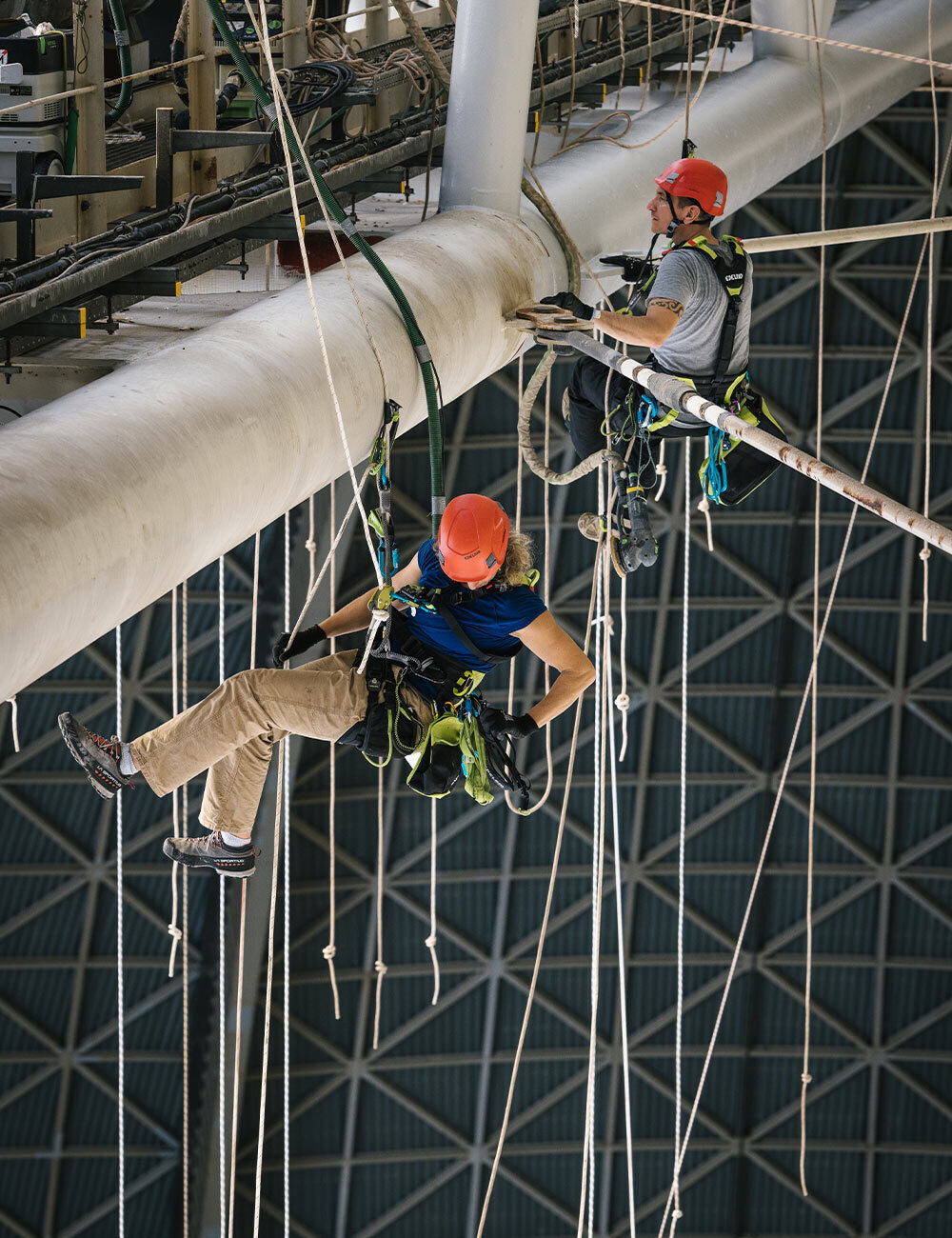
Practical Techniques Refresher
Hands-on reinforcement of rope access techniques ensures efficiency and safety during operations.
Ascending & Descending: Smooth rope transitions with controlled speed.
Changeovers: Practicing switchovers between ascent and descent devices.
Rescue Drills: Simulating casualty recovery from ropes.
Work Positioning: Using lanyards and rigging for stable work posture.