Skip to content
Rope Access Initial
TRS Safety training are an approved provider for the new MATS / EUSR Rooftop Worker – Safety and Access and the Initial and Basic climbing courses?
Introduction to IRATA Rope Access Level 1
Rope Access Training for Beginners – Level 1 Foundation Course
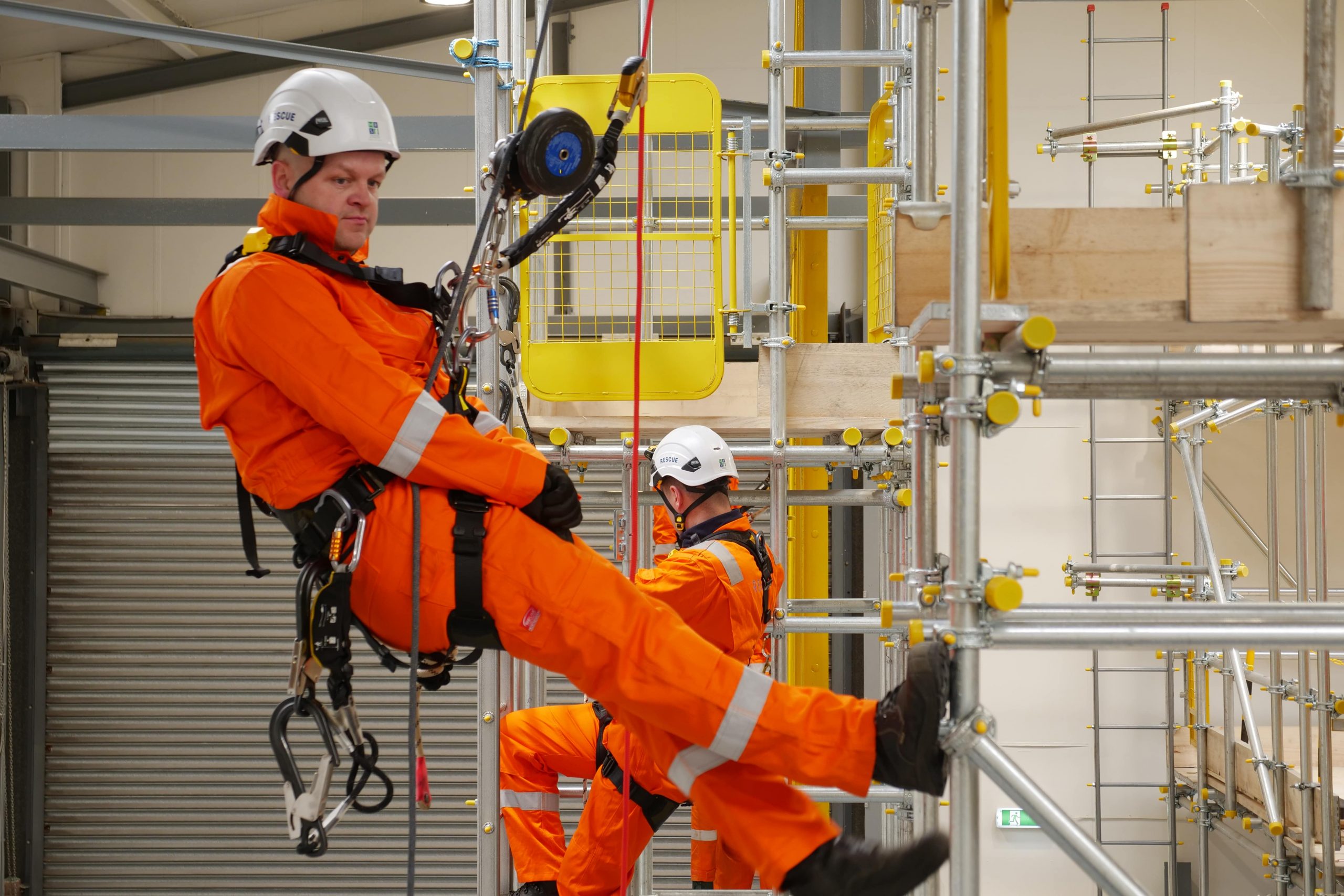
Our IRATA Rope Access Level 1 course is designed for workers new to industrial rope access systems and working at height using ropes. This IRATA Rope Access Level 1 training is the foundation certification for beginners entering the telecom tower, construction, or industrial maintenance sectors.
Course Overview:
Gain the fundamental knowledge and practical skills required to work safely using rope access systems. This beginner-level certification covers equipment operation, anchor systems, controlled movement techniques, and hazard awareness – preparing you for entry-level rope access work on telecom towers, building facades, and industrial structures.
What You’ll Learn:
Basic Rope Access Equipment & PPE
- Selecting and fitting full-body harnesses for rope access work
- Understanding static and dynamic rope types and applications
- Connectors: karabiners, screwgates, and locking mechanisms
- Ascenders (rope grabs) for climbing and work positioning
- Descenders and friction devices for controlled lowering
- Helmets, gloves, and personal protective equipment for height work
- Pre-use inspection and equipment maintenance procedures
Anchor System Setup & Safety Principles
- Identifying suitable anchor points for rope access systems
- Understanding load-bearing capacity and anchor strength requirements
- Redundancy principles: primary and backup anchor systems
- Load distribution across multiple anchor points
- Rigging techniques for safe and secure rope installation
- Anchor system inspection and testing before use
- Temporary vs. permanent anchor solutions for telecom sites
Safe Ascending & Descending Techniques
- Step-by-step ascending methods using rope grabs and ascenders
- Controlled descending with friction devices and speed management
- Body positioning and efficient movement on vertical ropes
- Changeover techniques between ascending and descending
- Managing rope stretch and pendulum swing risks
- Energy conservation during extended rope work
- Emergency stopping and self-rescue basics
Worksite Hazard Awareness & Communication
- Identifying fall hazards, sharp edges, and rope damage risks
- Recognizing environmental dangers: weather, overhead hazards, public areas
- Safe work zone establishment and ground-level coordination
- Communication protocols: verbal signals, radio use, and hand signals
- Working near energized equipment and RF hazards on telecom sites
- Tool management and preventing dropped objects
- Emergency procedures and incident reporting
Practical Training & Assessment:
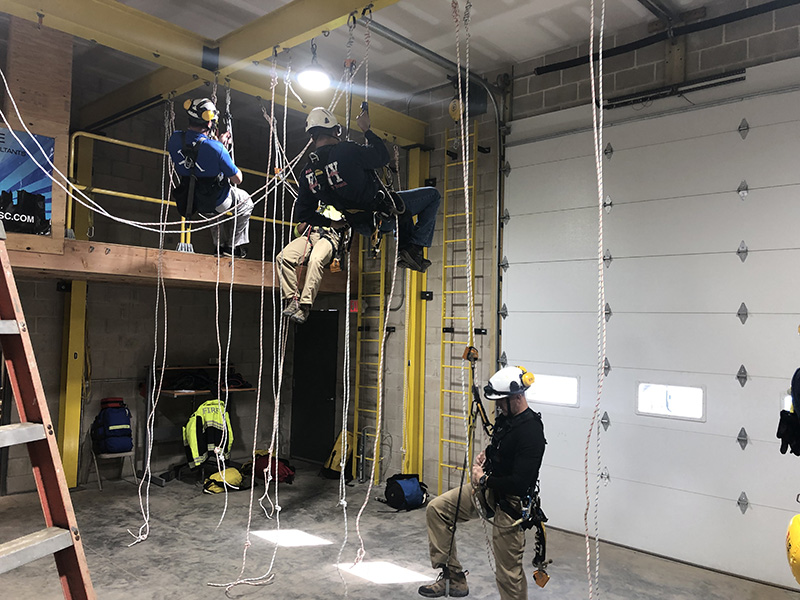
This hands-on course includes supervised practice sessions where beginners develop competency in:
- Harness fitting and equipment checks
- Rope rigging and anchor setup
- Ascending and descending under controlled conditions
- Emergency response and communication drills
Participants must demonstrate safe, independent rope access skills to achieve certification.
Who Should Attend:
Ideal for Beginners Including:
- Telecom engineers new to tower climbing and antenna installation
- Construction workers transitioning to rope access methods
- Maintenance technicians requiring height access skills
- Facilities personnel responsible for building facade work
- Career changers entering the industrial rope access industry
- Workers seeking alternatives to scaffolding and mobile platforms
No Previous Experience Required – This course is specifically designed for complete beginners with no prior rope access training.
Course Duration: 3 Years
Certification to: BS 7985
Prerequisites: None – suitable for beginners
Assessment: Practical skills demonstration and written safety knowledge test
Certification to: BS 7985
Prerequisites: None – suitable for beginners
Assessment: Practical skills demonstration and written safety knowledge test
Why Choose Rope Access Training?
✓ Career Opportunities – High demand for certified rope access technicians in telecom and construction
✓ Versatile Skills – Work on towers, buildings, wind turbines, bridges, and industrial structures
✓ Cost-Effective Access – Faster and more economical than scaffolding or crane hire
✓ Safety-First Approach – Redundant systems and rigorous training reduce workplace incidents
✓ Industry Recognition – IRATA Rope Access Level 1 certification recognized by telecom operators, contractors, and infrastructure companies worldwide
✓ Versatile Skills – Work on towers, buildings, wind turbines, bridges, and industrial structures
✓ Cost-Effective Access – Faster and more economical than scaffolding or crane hire
✓ Safety-First Approach – Redundant systems and rigorous training reduce workplace incidents
✓ Industry Recognition – IRATA Rope Access Level 1 certification recognized by telecom operators, contractors, and infrastructure companies worldwide
Progress Your Rope Access Career:
After completing this beginner foundation course, participants can advance to intermediate and advanced rope access training, expanding their capabilities for complex telecom tower work, rescue operations, and specialized industrial applications.
Book Your Beginner Rope Access Training Course
Start your rope access career with professional, hands-on training from experienced instructors. Secure your place on our next 3 day foundation course today.
Practical Skills & Safety Drills
Practical Training Components:
Changeover Techniques Between Ascent & Descent
- Smooth transitions from ascending to descending mode on ropes
- Switching between ascenders and descenders while maintaining safety
- Managing equipment during changeovers without compromising attachment
- Efficient changeover sequences to minimize fatigue and time at height
- Practicing changeovers at different heights and positions
- Troubleshooting common mistakes and equipment tangles
- Building automatic, confident changeover habits for real-world work
Work Positioning & Stability Techniques
- Using work positioning lanyards for hands-free operation
- Adjustable lanyards for optimal working distance and comfort
- Rope positioning for stable work platforms on vertical surfaces
- Managing primary and backup attachment points during tasks
- Body positioning to reduce fatigue during extended work periods
- Tool use while maintaining three points of contact
- Simulated work tasks: antenna installation, inspection, and maintenance scenarios
Basic Rope Rescue & Casualty Recovery
- Introduction to rope rescue principles and emergency response
- Recognizing when a casualty requires assistance on ropes
- Safe approach techniques to reach an incapacitated worker
- Basic casualty recovery procedures using descenders and lowering systems
- Converting work positioning systems to rescue mode
- Communication protocols during rope rescue operations
- Calling for assistance and coordinating with ground support
- Limitations of basic rescue and when to request specialist rescue teams